
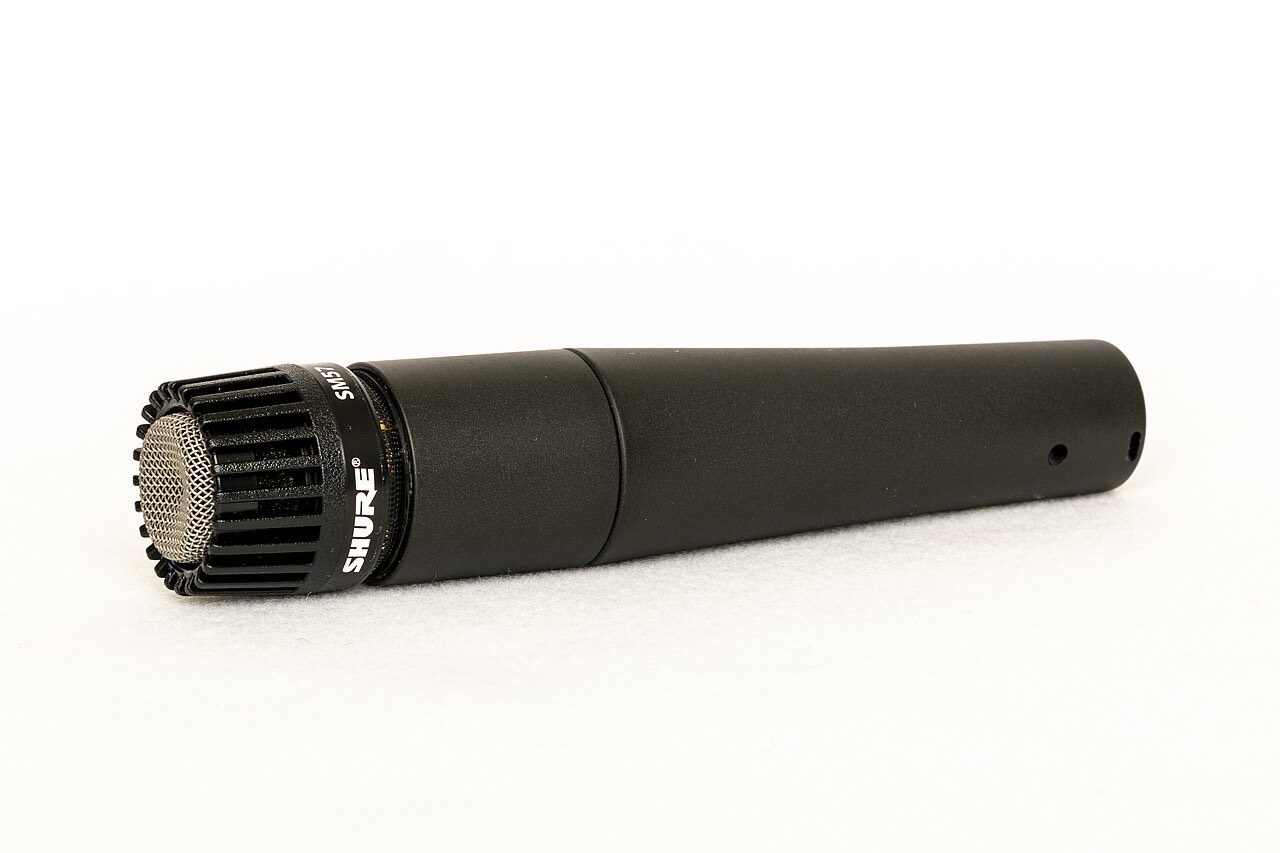

Use this worksheet after the need for narration has been agreed. It does not select between interviews and voiceover, replace script approval or imply that narrator sourcing and recording are included in every production.
Describe the listener and the explanation
Identify who will hear the narration and what they already understand. A specialist audience may need precise terminology, while a first-time viewer may need more context and space around unfamiliar names. The choice should serve comprehension rather than a stereotype about who sounds credible.
Describe the role of the voice in the film. Is it connecting first-hand accounts, introducing a sequence or explaining a relationship that pictures alone do not make clear? State how it should relate to interview participants so that narration does not sound like an unexplained new authority.
Keep any language or pronunciation requirements explicit. Do not infer a suitable voice from a country name alone.
Turn tone words into observable directions
Instead of listing several adjectives, describe what the listener should experience. For example, the delivery might need to sound measured enough to follow a technical point without becoming ceremonial, or conversational without implying an informal personal testimonial.
Identify references only to explain a quality, not to ask for imitation of a specific person's voice. If a team member wants a recognisable public figure or an imitation, pause and clarify the actual communication need and appropriate permissions rather than assuming it is an ordinary casting instruction.
Avoid selecting a voice solely because the demo contains impressive production music. Listen for how the spoken delivery handles information comparable to your script.
Compare using a representative passage
Ask production what samples or auditions are available within the proposed arrangement. Where a project-specific sample is agreed, choose a short passage containing the actual challenges: a project name, a technical term, a change in pace or an important qualification.
Give every option the same intended meaning and pronunciation guidance. Otherwise you may be comparing different directions rather than different voices. Ask the relevant language or technical reviewer to confirm difficult terms; do not expect the narrator to determine project facts.
Record what works and what needs direction. A sample can reveal a fixable delivery issue rather than a reason to reject a suitable voice outright.
Copy this narrator comparison brief
- Audience and prior knowledge:
- Job of the narration in this film:
- Desired listener experience:
- Tone or treatment to avoid:
- Language and pronunciation reviewer:
- Representative sample passage/version:
- Terms and names requiring guidance:
- Comparison notes: clarity, pace, emphasis and fit:
- Recording/review arrangements to confirm:
- Intended channels, territories or uses to disclose:
- Usage agreement and approval owner:
- Selected option and reasons:
The usage fields are questions for the relevant agreement, not a statement that any particular licence covers the project. Include future uses you actually anticipate rather than asking for unspecified “everything” without discussion.
A fictional example: the demo hides the difficult sentence
A fictional team likes a narrator's energetic promotional demo. Its own script contains a careful explanation of a technical relationship. During an agreed sample review, the important qualification is rushed and the product name is unclear.
The production team tests a more measured direction and supplies confirmed pronunciation. The buyer chooses based on the project passage rather than the original demo's excitement. This is an invented casting example, not a performance claim about an actual narrator.
Confirm the brief before recording
Settle who approves the voice, who approves the script and how pronunciation corrections will be handled. These may be different decisions. Agree what happens if the script changes after recording rather than assuming every new line is included.
Keep the selected voice and approved direction with the current script. If another reviewer later asks for a different tone, bring the conversation back to the audience and the agreed purpose.
For the earlier structural choice, use the interview and narration worksheet. This comparison brief then helps production discuss the person and recording arrangement that fit the agreed narration. It should end in a reasoned selection and clear questions, not a vague instruction to “make it sound premium”.
Sources and editorial note
- Live Images interview/narration worksheet — related earlier decision about spoken structure.
- Attorney-General's Department: Copyright basics — background on rights in recordings and performers; the actual voice recording/use agreement must be checked. No licence entitlement or voice-service inclusion is asserted.
Prepared with AI assistance for Live Images. This is original general planning guidance; the relevant owners and written production scope determine the arrangements.